
Portable Solar Panels
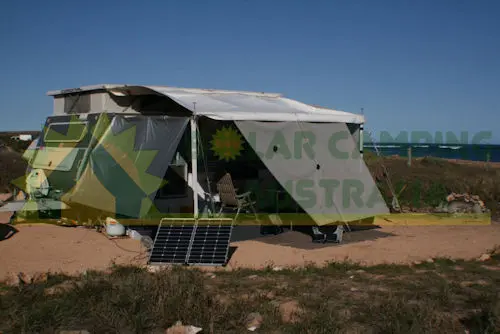
Portable solar power
Portable Solar Panels: Choosing the Right Kit for Your Setup
Portable solar panels provide a flexible way to generate power without permanently mounting panels to a vehicle or building. Whether you are camping, travelling in a caravan or charging a battery away from mains power, choosing the right folding solar panel kit starts with understanding your energy needs, battery system and the sunlight available.
How Do Portable Solar Panels Work?
Portable solar panels convert sunlight into electricity to help charge a battery when you're away from mains power. They are useful for camping, caravanning, 4WD trips and other situations where you need a flexible solar charging option.
Folding solar panel kits can be positioned in a sunny spot and moved as needed to follow the available sunlight. The included solar regulator manages the charging process between the panels and a compatible battery.
Portable solar kits are commonly used to charge 12V batteries. The charging performance depends on the panel's output, sunlight conditions, panel angle, shading and the battery's requirements.
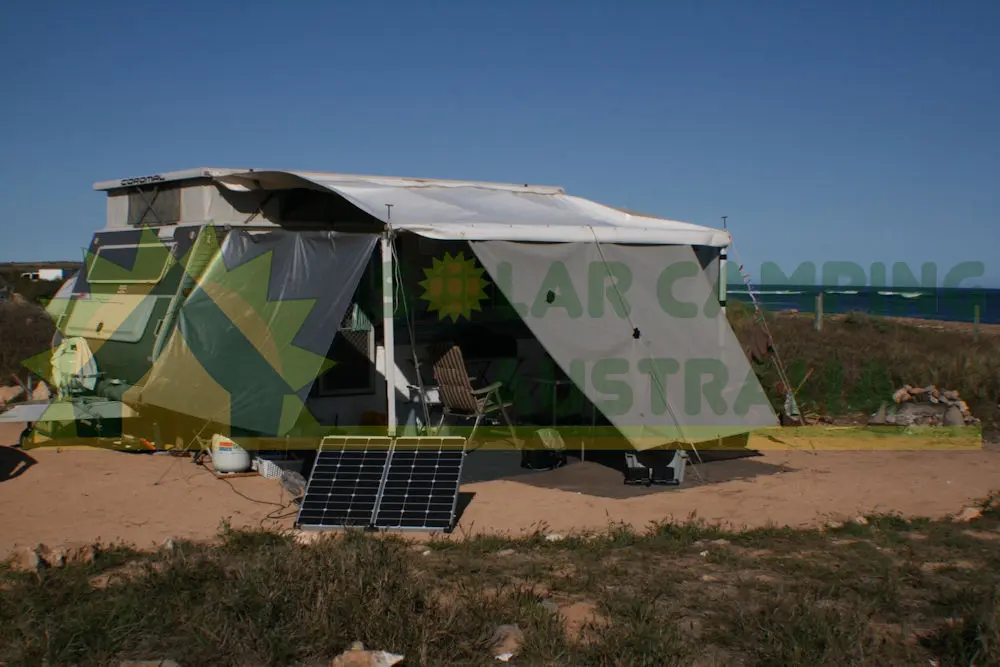
What to Look for When Choosing a Portable Solar Kit
Portable folding solar kits combine convenience with the ability to position panels where sunlight is available. Compare more than the wattage alone to make sure the kit suits your intended use.
Panel Wattage and Size
Choose a panel capacity that suits your estimated energy use and the time available for charging. Also consider the kit's folded dimensions, weight and how much room you have to transport and store it.
- Compare the rated wattage of each kit.
- Check folded and unfolded dimensions.
- Consider how easy it will be to carry and set up.
Regulator and Battery Leads Included
Our portable solar panel kits include a solar regulator and battery connection leads, making it easier to connect the kit to a compatible battery.
- The regulator manages the battery charging process.
- Battery leads provide the connections supplied with the kit.
- Check that the regulator's charging settings suit your battery type.
Browse our range of portable solar panel kits to compare available options.
How to Position Portable Solar Panels for Better Performance
Panel placement can make a substantial difference to the energy generated during the day. A panel in direct sunlight will generally produce more power than the same panel partly shaded or facing away from the sun.
- Choose an open location: Find a spot clear of trees, awnings, buildings and other obstructions.
- Adjust the angle: Where the kit allows, angle the panel towards the sun to improve exposure to direct sunlight.
- Watch for moving shadows: A tree, vehicle or awning can shade the panel as the sun moves.
- Reposition when practical: Moving the panel during the day can help it receive more sunlight.
- Secure the kit: Use a stable surface, take care in windy conditions and keep cables clear of walkways.
What Size Portable Solar Panel Do You Need?
The right panel size depends on how much electricity you use each day. A setup intended to maintain a battery between trips has different requirements from one that regularly powers a fridge, lights, pumps and electronic devices.
Make a list of the equipment you intend to run. For each item, estimate its power consumption and how long it operates each day. For appliances rated in watts, multiply watts by hours of use to estimate daily energy consumption in watt-hours (Wh).
Example: calculating daily energy use
An appliance using 40 watts for 3 hours consumes approximately:
40 watts × 3 hours = 120Wh per day
This is an illustrative calculation. Actual consumption depends on the appliance and how it operates.
Add the energy use of your other equipment to estimate your total daily requirement. Allow for charging losses, variable sunlight and periods when the panel cannot produce its expected output.
Remember that battery capacity and panel wattage serve different purposes. The battery stores energy for later use, while the panel generates energy when sunlight is available. Both need to suit your usage pattern.
Use our Panel Selection Calculator to help estimate your solar requirements.
Connecting a Portable Solar Kit to a 12V Battery
Before connecting a portable panel, check the kit's instructions and confirm that its electrical ratings and connections are suitable for your battery system. Do not assume that every panel can connect directly to a battery.
Check the Solar Regulator
Many portable kits include a regulator to manage battery charging. If the panel requires a separate controller, choose one compatible with the panel's electrical specifications and the battery being charged.
- Check the panel's rated voltage, open-circuit voltage and current specifications.
- Confirm the controller's permitted input and output limits.
- Use suitable cables and connectors as specified by the manufacturer.
Check Battery Compatibility
Different battery types have different charging requirements. Make sure the regulator supports your battery chemistry and that its settings follow the battery manufacturer's recommendations.
- Confirm the battery's nominal voltage.
- Check the recommended charging settings.
- Consider the battery's usable capacity and daily energy use.
If you are unsure about compatibility, seek advice before connecting the system.
If your battery is already connected to other charging sources, such as a vehicle alternator or mains-powered charger, check that the overall arrangement is compatible with the equipment manufacturer's instructions.
What Affects Portable Solar Charging Performance?
Portable solar output changes throughout the day and from one location or season to another. Allow for conditions that may reduce the amount of energy your kit collects.
Sunlight and Weather
Cloud, rain, shorter winter days and low sun angles can reduce daily energy production. Panels can still generate electricity in cloudy conditions, but output is generally lower than in strong direct sunlight.
Shade and Panel Position
Trees, awnings and nearby objects can obstruct sunlight. Positioning the kit in a clear area and adjusting its angle where possible can help it capture more sunlight.
Daily Energy Consumption
If your equipment uses more energy than the panel produces, the battery will gradually lose charge. A larger panel may help, but the result also depends on sunlight, battery capacity and how much energy you use.
Storage and Care
Protect panels, connectors and cables during transport and storage. Follow the manufacturer's instructions for cleaning, handling, folding and keeping the equipment within its specified operating conditions.
Frequently Asked Questions About Portable Solar Panels
Can I use a portable solar panel to charge a 12V battery?
Yes, provided the panel and charging equipment are suitable for the battery. Many portable solar kits are designed for 12V battery charging. Check whether the kit includes a regulator and confirm that its charging settings support your battery type.
Can I leave a portable solar panel outside all day?
Follow the product's instructions for outdoor use and weather exposure. Secure the kit against wind and movement, protect connections as specified and avoid conditions beyond the product's stated limits. Fold and store it when required by the manufacturer's instructions.
Will portable solar panels work in cloudy weather?
They can still produce electricity, but output is generally lower than in strong direct sunlight. If you rely on solar power every day, allow for periods of poor weather and consider whether your battery has enough storage to cover them.
Can a portable solar panel run a 12V fridge?
It may help supply the energy used by a 12V fridge, but suitability depends on the fridge's daily consumption, the panel's actual output, battery capacity and other loads. Calculate your overall energy needs rather than choosing a panel based on the fridge's rated power alone.
Is a higher-wattage portable panel always better?
Not necessarily. A higher-wattage panel can generate more power under suitable conditions, but it may be heavier, larger or less convenient to transport. Choose a size that suits your energy requirements, available storage space, battery system and typical camping conditions.
Do portable solar kits include a solar regulator?
Yes. Our portable solar panel kits include a solar regulator and battery connection leads, making it easier to connect the kit to a compatible battery. Check the individual product listing for details of the regulator, lead connections and other features supplied with each model.
Explore More Solar Resources
Estimate Your Solar Requirements
Use your estimated electrical consumption to help work out what size solar panel may suit your setup.
Understand Solar Panel Specifications
Learn what the key electrical ratings on a solar panel mean and how they help you compare products.
Find a Portable Solar Kit for Your Needs
Choosing a portable solar panel kit starts with your daily power use, battery requirements and the conditions in which you plan to use it. Explore our range or contact us if you need help understanding which specifications and connections to look for.