
Car & 4×4 Solar Panels
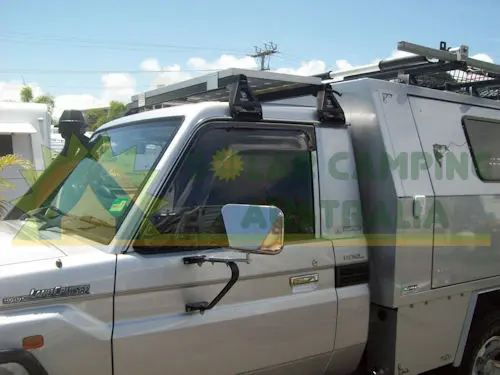
Solar power for cars and 4WDs
Car & 4×4 Solar Panels: Find the Right Setup
Whether you are touring off-road, camping away from powered sites or keeping an auxiliary battery charged, a suitable solar setup can help provide power for your trip. Explore fixed solar panels, portable kits and regulator options for your vehicle.
Choosing Solar for Your Vehicle
The best option depends on how you use your vehicle, where you can mount a panel, how much power your equipment needs and whether you want a permanent installation or a portable system. Start by deciding what you need to charge and how you plan to travel.
Fixed or Portable Solar Panels?
Fixed Roof-Mounted Panels
A fixed panel can be mounted to a suitable roof rack or vehicle mounting system. It can generate power while the vehicle is parked in sunlight, without needing to unpack a separate panel each time.
- Convenient for regular touring and camping.
- Uses available roof space.
- Requires secure mounting and suitable cable routing.
- Vehicle shade, roof orientation and parking direction can affect output.
Portable Solar Panel Kits
Portable panels can be positioned in a sunny location while the vehicle remains in the shade. This can be useful when camping under trees or when roof space is limited.
- Set up when needed and pack away for travel.
- Adjust the panel position as the sun moves.
- Many kits include a regulator and battery leads.
- Check the kit's connections and instructions before use.
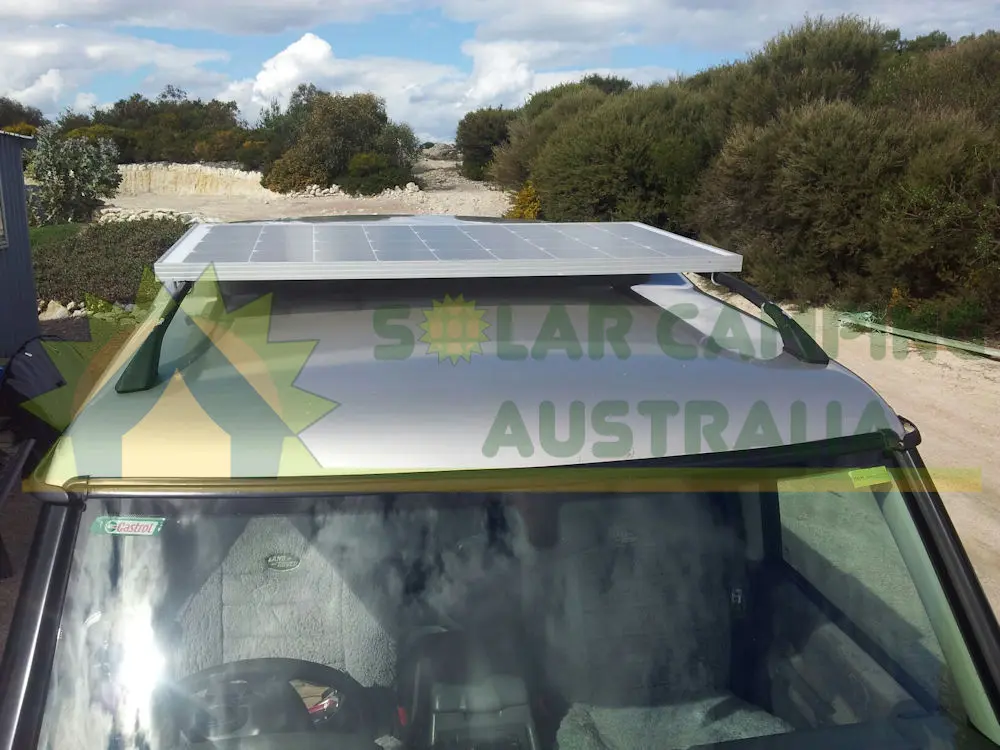
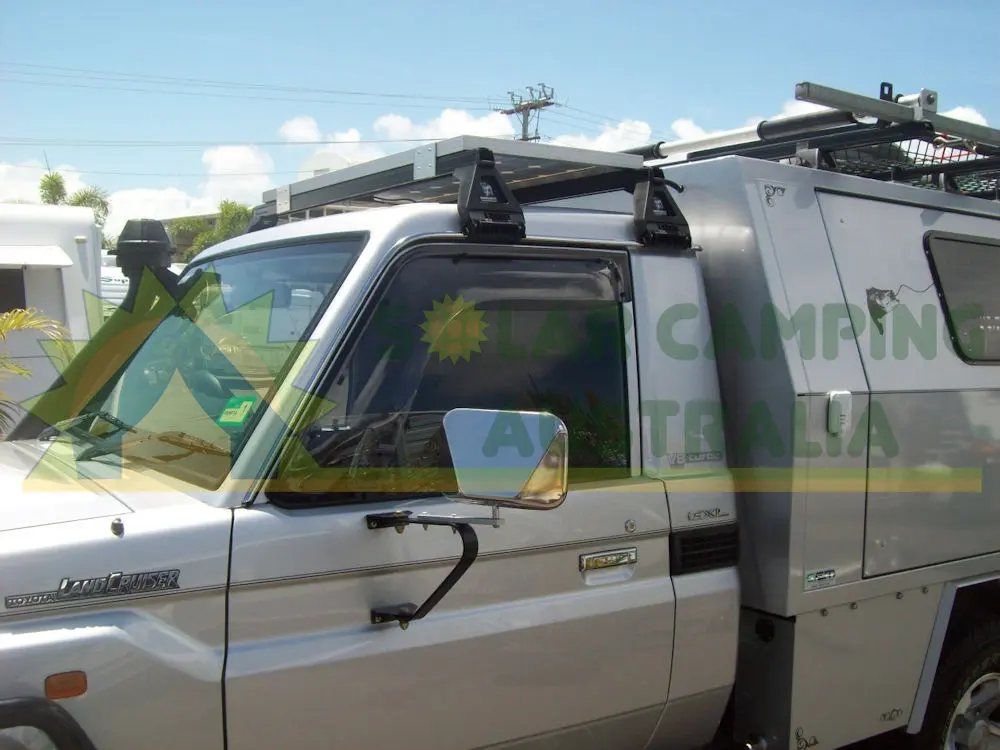
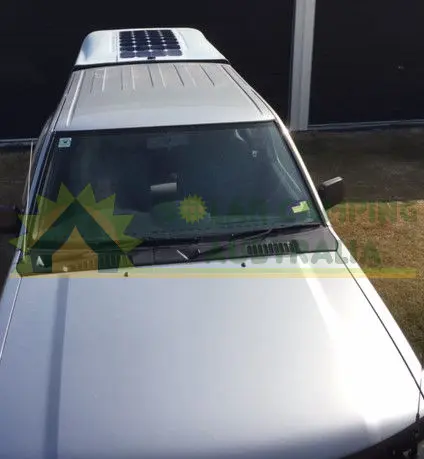
Customer Vehicle Solar Installations
Take a look at these customer installations to see how solar panels and accessories have been used on cars and 4WDs for touring, camping and off-road travel.

Choosing a Solar Regulator
A solar regulator, also called a solar controller, manages the power supplied by the panel to the battery. It helps ensure the charging process suits the battery and the solar panel being used.
Regulator Compatibility
Choose a regulator that is compatible with your battery type and system voltage. Its allowable solar input voltage and charging current must also suit the panel or combined panels.
Where Should It Be Installed?
Installation depends on the regulator's design and environmental rating. Some models are intended for exposed installations, while others need protection inside a suitable enclosure or vehicle location.
Follow the product instructions for mounting, ventilation, cable sizing and weather protection.
Important: Do not assume every regulator can be mounted directly on the back of a solar panel. Check the specific model's instructions and ensure connections are protected from moisture, heat and damage.
What Can Vehicle Solar Panels Charge?
Auxiliary or House Battery
Many touring vehicles use a separate auxiliary battery to supply accessories such as a camping fridge, lights, communications equipment and other 12V loads.
Solar can help replenish this battery while the vehicle is parked, provided the panel, regulator and battery are correctly matched.
Vehicle Start Battery
A suitable solar system may help maintain a vehicle's start battery when it is not being driven. The charging method must be appropriate for the battery and vehicle electrical system.
If you want to charge both a start battery and an auxiliary battery, check whether your system supports this and how charging is managed between them.
How Much Solar Power Do You Need?
Start by listing the equipment you plan to run, its power consumption and how long you expect to use it each day. A fridge running throughout the day, for example, has different energy requirements from occasional lighting or phone charging.
Your solar panel capacity and battery storage need to work together. Consider the available roof space, the amount of sunlight you expect, your battery capacity and the time you spend parked. If you regularly camp in shaded areas, a portable panel that can be placed in the sun may be helpful.
Vehicle Solar Installation Considerations
A reliable installation involves more than attaching a panel to a roof rack. Before installing a system, consider:
Mounting and Cable Protection
- Use mounting hardware suitable for the panel and vehicle.
- Check clearances, roof loads and mounting points.
- Secure cables away from sharp edges, moving parts and excessive heat.
- Use suitable cable protection, connectors and fusing.
Electrical Compatibility
- Match the panel and regulator to the battery system.
- Check the regulator's voltage and current limits.
- Follow the battery manufacturer's charging requirements.
- Use a qualified installer if you are unsure about vehicle wiring.
Shop Vehicle Solar Components
Browse the main product ranges to find components for your car or 4WD solar setup.
Need Help Choosing a Car or 4×4 Solar Setup?
If you are unsure which panel, regulator or charging arrangement suits your vehicle, contact us with details of your battery, appliances and how you use your vehicle. We will be happy to help you work through the options.